
Titanium Ore Supplier
Titanium Ore Overview
Titanium ore encompasses a group of titanium-bearing minerals extracted from hard-rock and mineral-sand (placer) deposits, of which ilmenite (FeTiO₃) and rutile (TiO₂) are the dominant commercial forms. Ilmenite is the more abundant of the two, accounting for over 80% of global titanium mineral reserves, and typically contains 44–60% TiO₂ alongside significant iron oxide content.
Rutile is a naturally high-grade mineral carrying 90–95% TiO₂, making it the preferred feedstock for titanium metal production and premium pigment applications. After mining, titanium ore is processed through beneficiation including gravity separation using spiral concentrators, magnetic and electrostatic separation, and flotation to yield clean concentrates of ilmenite, rutile, and associated minerals including leucoxene and zircon.
Further upgrading through smelting produces titanium slag, while acid leaching of ilmenite yields synthetic rutile. Titanium ore is a critical industrial mineral that underpins the global TiO₂ pigment, titanium metal, and advanced ceramics industries.
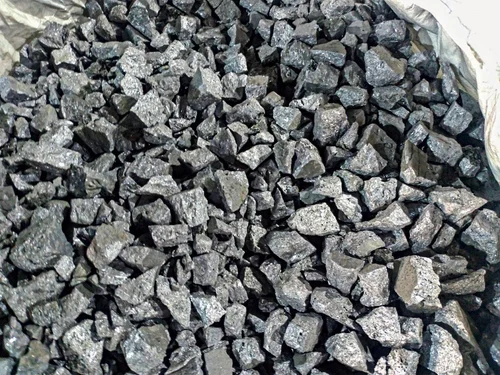
Applications of Titanium Ore
Titanium ore is the foundational raw material for two major industrial supply chains: titanium dioxide pigment production and titanium metal manufacturing. Its applications span a remarkably broad range of end-use sectors.
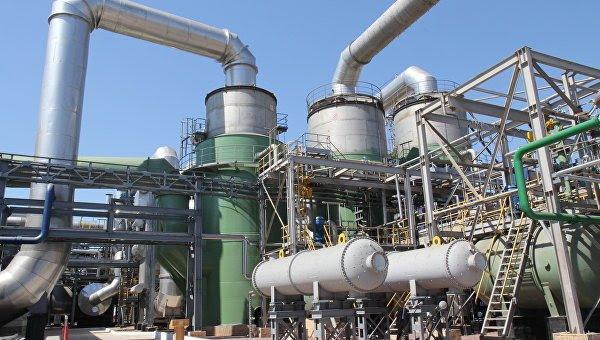
TiO₂ Pigment Manufacturing
Over 95% of all titanium ore consumed globally feeds titanium dioxide pigment production. TiO₂ pigment is the world’s most widely used white pigment, valued for its exceptional whiteness, opacity, and UV-resistance. It is a critical ingredient in architectural and industrial paints and coatings, plastics, paper, rubber, textiles, and printing inks. Paints and coatings alone account for approximately 60% of TiO₂ pigment end use.
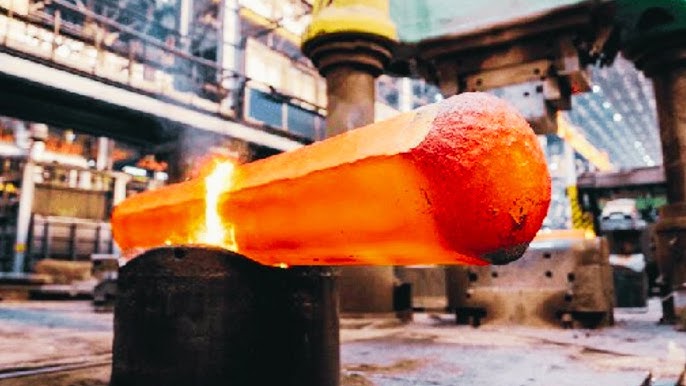
Titanium Metal Production
High-purity rutile and synthetic rutile are processed through the Kroll process in which TiO₂ is chlorinated and reduced with magnesium to produce titanium metal sponge. Titanium metal’s exceptional strength-to-weight ratio and corrosion resistance make it indispensable in aerospace structural components, marine and naval equipment, medical implants and surgical instruments, and high-performance automotive parts.
Welding Electrode Manufacturing
Rutile-grade titanium ore concentrate is used as a flux coating material in the manufacture of welding electrodes and rods, where it improves arc stability and slag characteristics during the welding process.
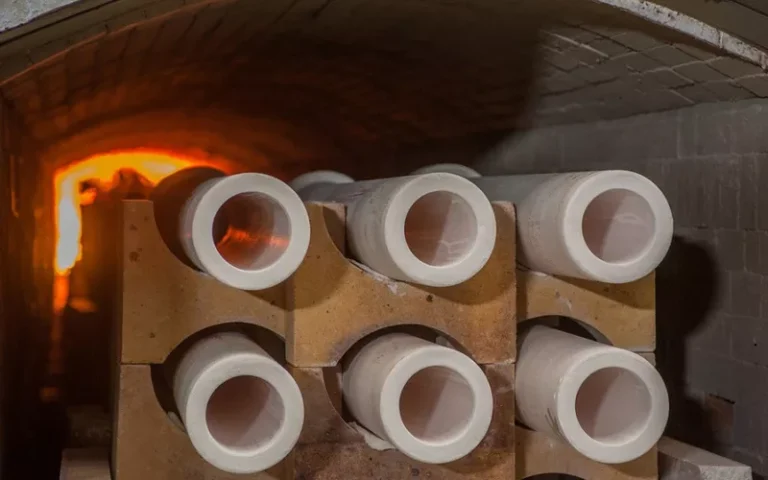
Refractory and Ceramics Industries
High-TiO₂ mineral concentrates are used in the production of refractory ceramics, kiln furniture, high-temperature industrial linings, and specialty ceramic components requiring thermal stability and chemical resistance.
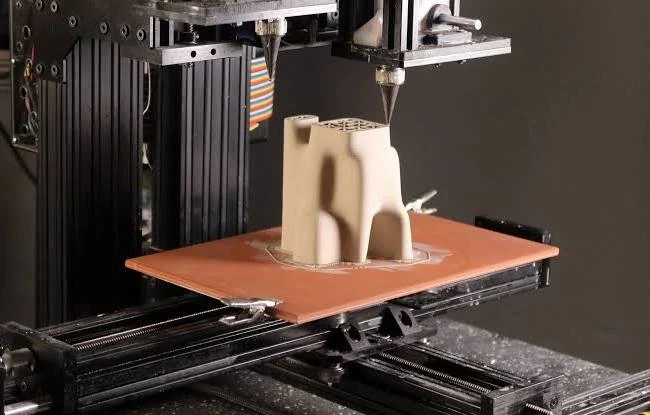
Advanced Manufacturing and 3D Printing
Titanium metal powder derived from ore feedstock is used in additive manufacturing (3D printing) for aerospace, medical, and defence component production a fast-growing application segment driving incremental demand for high-grade rutile and synthetic rutile.
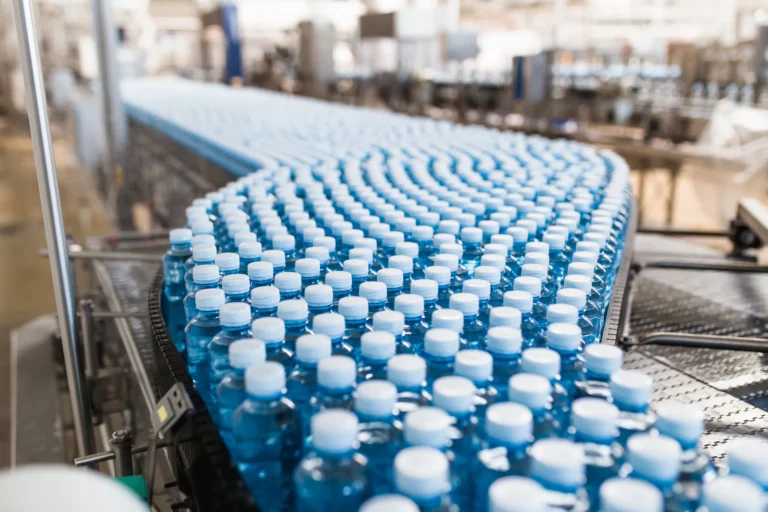
Paper and Plastics
TiO₂ pigment derived from titanium ore is used as a whitener and opacifier in paper manufacturing and plastic compounding, where consistent colour and light-scattering properties are required across high-volume production runs.
Request a Quote
Contact Ikutha Forge Company Limited to receive a competitive quotation for Titanium Ore Supply. To process your inquiry efficiently, please include the following:
Titanium Ore Suppliers FAQ
Over 95% of titanium ore is consumed in TiO₂ pigment production, used in paints, plastics, paper, rubber, and coatings worldwide. The remaining ore predominantly high-grade natural rutile and synthetic rutile feeds titanium metal production via the Kroll process for aerospace, medical, and defence applications. Additional uses include welding electrode flux coatings, refractory ceramics, and advanced manufacturing via titanium metal powder for 3D printing.
We supply natural rutile at 90–95% TiO₂, ilmenite concentrate at 44–60% TiO₂, leucoxene at 70–80% TiO₂, and titanium slag at 65–70% TiO₂. Grade selection depends on your downstream processing route — pigment plants using the sulfate process typically require ilmenite, while chloride process plants and titanium metal producers require rutile or synthetic rutile. All grades are confirmed by independent assay per shipment lot.
Fine ilmenite and rutile concentrate is packed in one-tonne FIBC big-bags with moisture-resistant inner liners, loaded into 20-foot ISO containers at approximately 20–25 MT per container. Larger volume orders are available for bulk carrier shipment at suitable export terminals. Weight and moisture certificates are issued at the loading port for all shipments.
Yes. Ikutha Forge Company Limited exports titanium ore to buyers across Africa, Asia, the Middle East, and Europe under FOB, CIF, and CFR shipping terms. Complete export documentation is provided with every shipment, including the assay report, SGS inspection certificate, certificate of origin, moisture and weight certificate, and bill of lading.