
Iron Ore Supplier
Iron Ore Overview
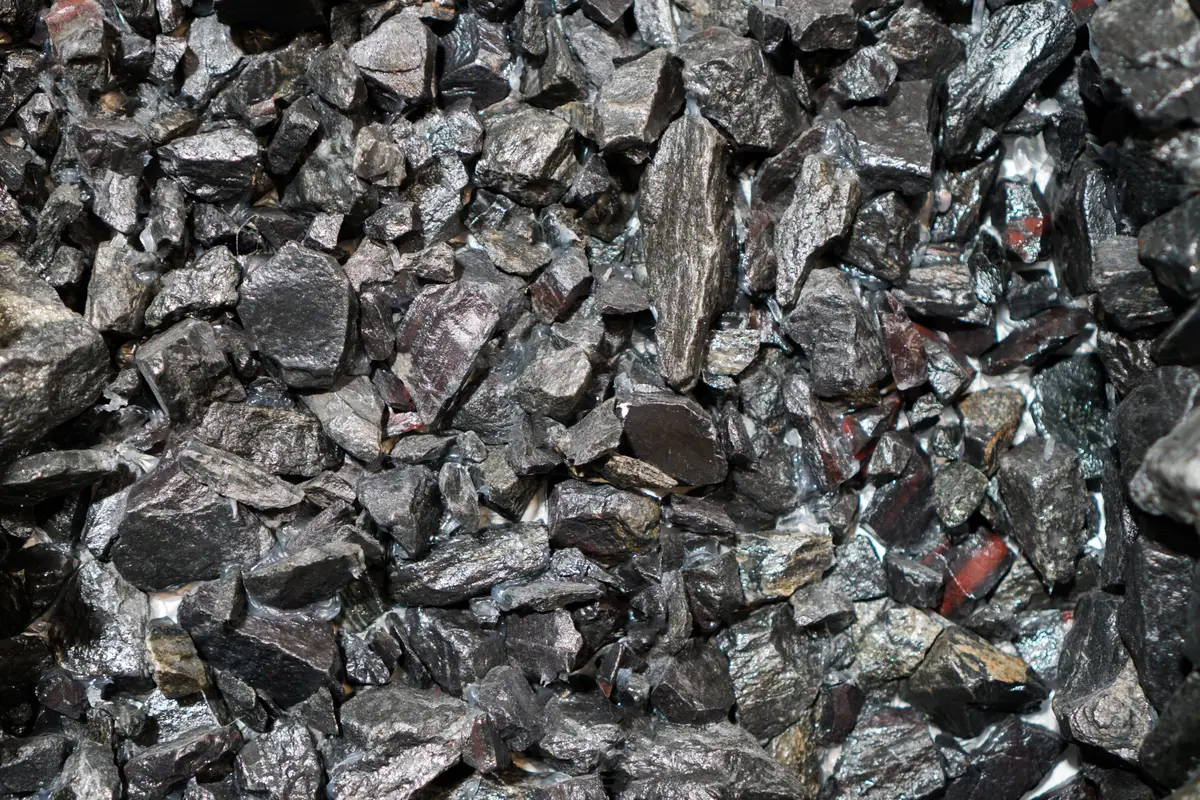
Iron ore is the primary raw material for global steel production, and approximately 98% of all iron ore mined worldwide is used to manufacture steel. It is extracted from large-scale open-pit deposits predominantly banded iron formations containing hematite (Fe₂O₃) and magnetite (Fe₃O₄) through drilling, blasting, crushing, and screening.
High-grade hematite ores with Fe content of 60% or above can be shipped as direct-shipping ore (DSO) without further processing. Lower-grade magnetite ores are ground, beneficiated through magnetic separation, and concentrated to 64–68% Fe before export as pellet feed or sinter feed.
The refined ore product whether supplied as lumps, fines, or concentrate feeds blast furnaces and direct reduction units at steel plants to produce pig iron and direct reduced iron (DRI), the intermediate products from which finished steel is made. Iron ore is therefore the foundational commodity underpinning global construction, infrastructure, and manufacturing.
Applications of Iron Ore
Iron ore is the essential raw material at the base of the global steel supply chain. After processing and reduction, iron ore feeds every major steel production route and supports a broad range of downstream industrial sectors.
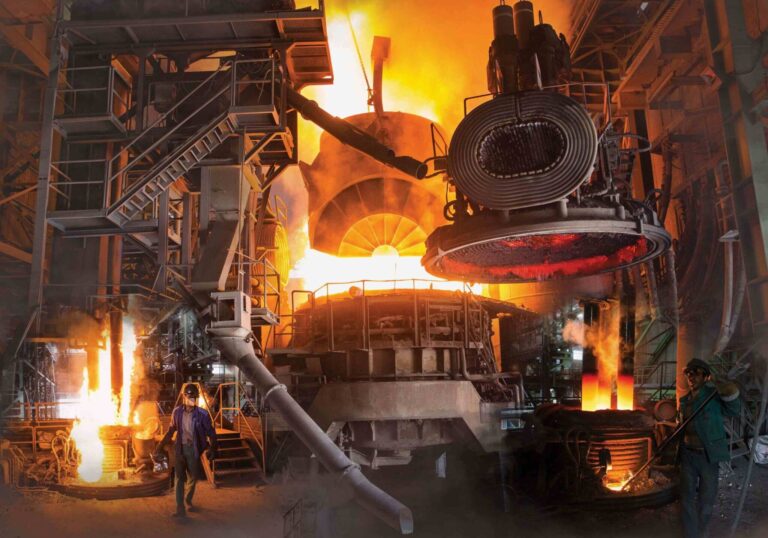
Blast Furnace Steelmaking
The primary consumption route for iron ore globally. Lump ore and sintered fines are charged into blast furnaces along with coke and limestone to produce pig iron, which is then refined into crude steel in a basic oxygen furnace. This route accounts for the majority of world steel output and drives the bulk of iron ore demand.
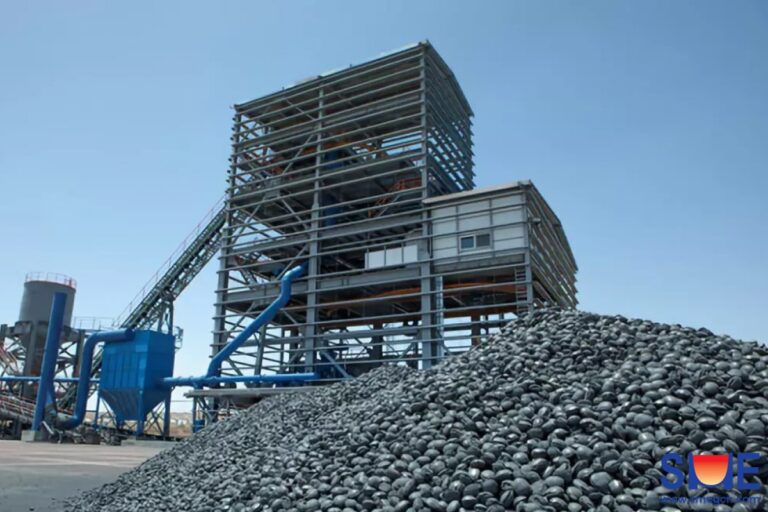
Direct Reduced Iron (DRI) Production
Pelletized iron ore concentrate is used as feedstock in direct reduction plants, where it is reduced to DRI (sponge iron) using natural gas or hydrogen. DRI is then charged into electric arc furnaces (EAF) as a high-quality scrap substitute for flat and long steel products requiring low residual impurity levels.
Construction and Infrastructure
Steel derived from iron ore is the primary structural material in commercial and residential construction — used in reinforcing bar, structural sections, roofing, and cladding. Infrastructure projects including bridges, highways, ports, and rail networks are among the largest steel consumers globally.
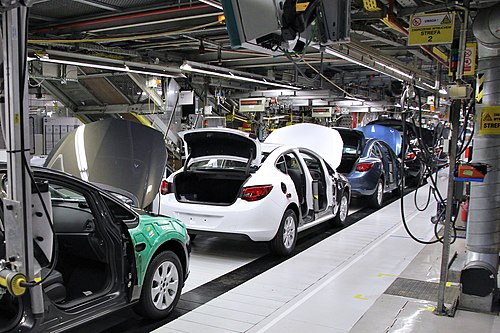
Automotive and Transportation Manufacturing
Sheet steel for vehicle body panels, structural components, and chassis is produced from iron ore-derived pig iron. The automotive sector remains a major driver of flat-rolled steel demand despite the ongoing electrification transition.
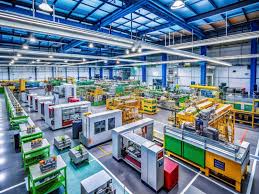
Machinery and Industrial Equipment
Iron ore feeds the production of heavy equipment, agricultural machinery, mining equipment, and industrial processing plant sectors with consistent demand across developed and emerging economies.
Request a Quote
Contact Ikutha Forge Company Limited to receive a competitive quotation for Iron Ore Supply. To process your inquiry efficiently, please include the following:
Iron Ore Suppliers FAQ
Iron ore is the primary feedstock for global steel production, accounting for approximately 98% of its end use. It feeds blast furnaces and direct reduction plants to produce pig iron and DRI for steelmaking across construction, automotive, infrastructure, and industrial sectors.
We supply hematite DSO at 60–65% Fe, magnetite concentrate at 64–68% Fe, and fines grades for sintering and pelletizing, all with independent assay reports per shipment.
Loose bulk loading for large vessel shipments, or FIBC big-bags / 20ft open-top containers at 20–25 MT per container for smaller orders. Weight and moisture certificates issued at loading port.
Yes, to buyers across Africa, Asia, the Middle East, and Europe under FOB, CIF, and CFR terms with complete export and inspection documentation.